Pansit
ni CookWhatHK0 na-save
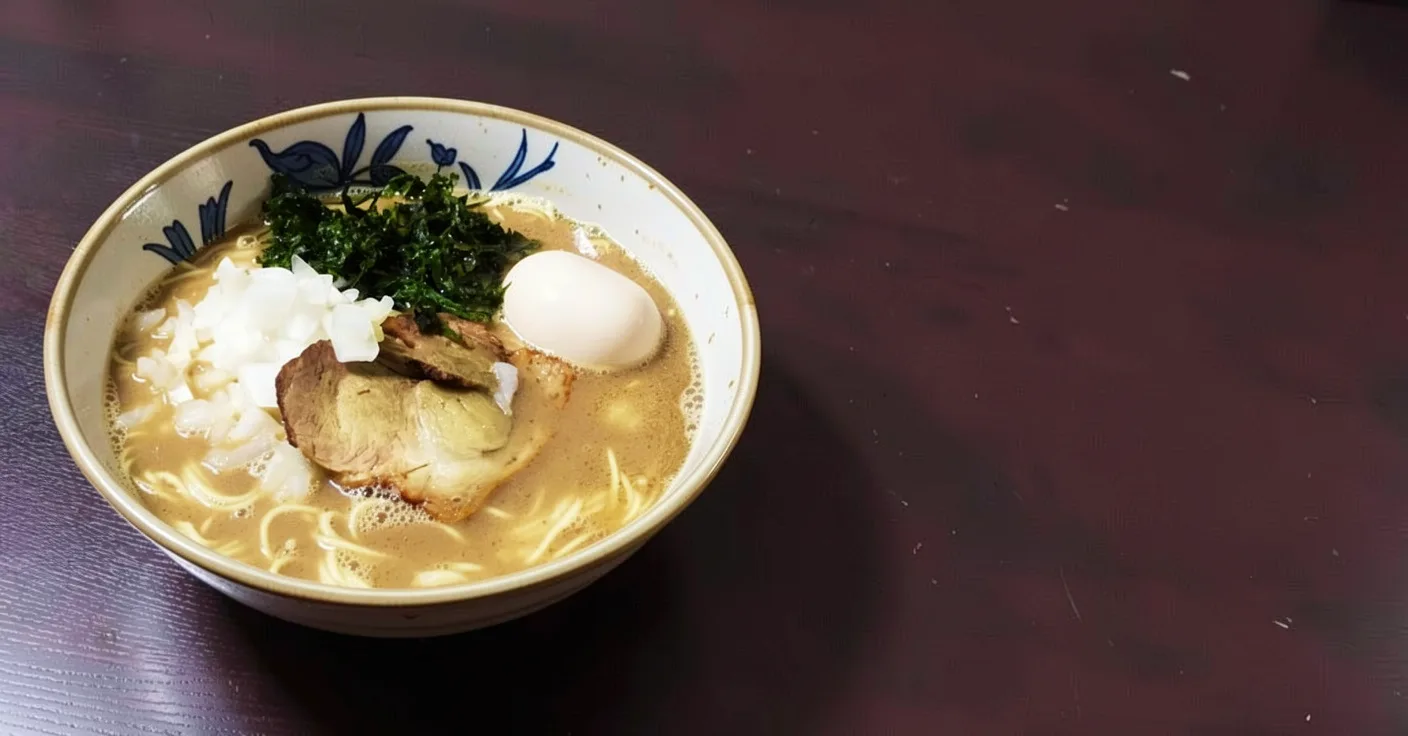
Rich Chicken Paitan Niboshi Ramen na may sabaw ng manok na pinakuluan ng oras-oras, pinalalim ng dried sardines, kombu, chashu at ajitama na itlog.
<Paghahanda ng Sabaw>
Prepare the Soup
Itapon ang tubig, hugasan nang mabuti ang mga chicken carcasses, at ilagay ang mga ito kasama ang mga chicken wing tips sa palayok. Palamigin ng tubig at pakuluan sa mataas na apoy (gumamit ng dalawang palayok kung kinakailangan).
First, discard any water from the chicken carcasses, then rinse them well. Put the rinsed chicken carcasses and chicken wing tips in a pot (or two pots if necessary). Cover them with water and bring everything to a boil over high heat.
Kapag kumukulo na, bawasan ng kaunti ang apoy at pakuluan nang dahan-dahan, na tinatanggal ang anumang bula.
Once boiling, slightly reduce the heat and let it simmer gently, making sure to skim off any scum that rises to the surface.
Bawat 15 minuto, suriin at magdagdag ng tubig kung kinakailangan, na paminsan-minsang hinahalo. Idagdag ang mga butil ng bawang nang isa-isa sa mga pagitan.
Every 15 minutes, check the water level and add more as needed, stirring occasionally. Add the garlic cloves one by one at regular intervals.
<Paghahanda ng Chashu at Marinated Eggs>
Prepare Chashu and Marinated Eggs
<Paghahanda ng Aromatic Oil>
Prepare Aromatic Oil
<Paghahanda ng Soy Sauce Tare>
Prepare Soy Sauce Tare
Pakuluan ang sabaw ng 7 oras, paminsan-minsang dinuduring at hinahalo gamit ang mixing stick. Ayusin ang tubig ayon sa kagustuhang kabigatan, pagkatapos ay pilitruhan para matapos ang chicken paitan soup.
Continue to simmer the soup for a total of 7 hours. During this time, occasionally mash and stir the contents with a mixing stick. Adjust the water level to achieve your desired richness, then strain the soup to complete the chicken paitan base.
Kapag medyo lumamig na, idagdag ang malalaking pinatuyong sardinas (300 g) nang buo. Hayaan ang palayok sa refrigerator magdamag.
Once the soup has cooled slightly, add the 300 g of large dried sardines whole. Allow the pot to rest in the refrigerator overnight.
Kinabukasan ng umaga, idagdag ang kombu at sibuyas sa palayok at initin.
The following morning, add the kombu and onion to the pot and begin heating it.
Kapag kumukulo na, bawasan sa mababang apoy at marahang pakuluan. Iwasan ang malakas na pagkulo.
Once it reaches a boil, reduce the heat to low and let it simmer gently. It's important to avoid a vigorous, rolling boil.
Gumamit ng kitchen scissors para gupitin ang pinatuyong sardinas sa maliliit na piraso habang nagluluto.
As the soup simmers, use kitchen scissors to cut the dried sardines into smaller pieces.
Pagkatapos ng halos 1 oras mula sa hakbang 10, idagdag ang maliliit na pinatuyong sardinas (100 g) para sa karagdagang lasa. Pakuluan sa mababang apoy ng isa pang oras.
About one hour after starting step 10, add the 100 g of small dried sardines to enhance the flavor. Continue to simmer on low heat for an additional hour.
Ayusin ang tubig ayon sa kagustuhang kabigatan, pagkatapos ay pilitruhan ang sabaw sa pamamagitan ng fine mesh strainer at cheesecloth para matapos.
Adjust the water level once more to achieve your preferred richness, then strain the soup through a fine mesh strainer lined with cheesecloth to finalize it.
Ihanda ang mga toppings. Sa isang mainit na mangkok, magdagdag ng 2 kutsara (25 ml) ng soy sauce tare, 1 kutsara (15 ml) ng aromatic oil, at 400 ml ng mainit na sabaw. Idagdag ang nilutong noodles.
Now, prepare your toppings. In a heated serving bowl, combine 2 tablespoons (25 ml) of soy sauce tare, 1 tablespoon (15 ml) of aromatic oil, and 1 2/3 cups (400 ml) of the hot soup. Add the cooked noodles to the bowl.
Ayusin nang maayos ang mga toppings at ihain.
Arrange the toppings neatly on top and serve immediately.
Kung gusto mo ng mas maraming noodles, magluto ng isa pang bundle, magdagdag ng kaunting soy sauce tare at aromatic oil, at lagyan ng toppings ayon sa gusto para sa karagdagang serving (kaedama).
If you desire more noodles, cook an additional bundle. Add some soy sauce tare and aromatic oil, then top as desired for an extra serving (known as kaedama).